
Uncategorized

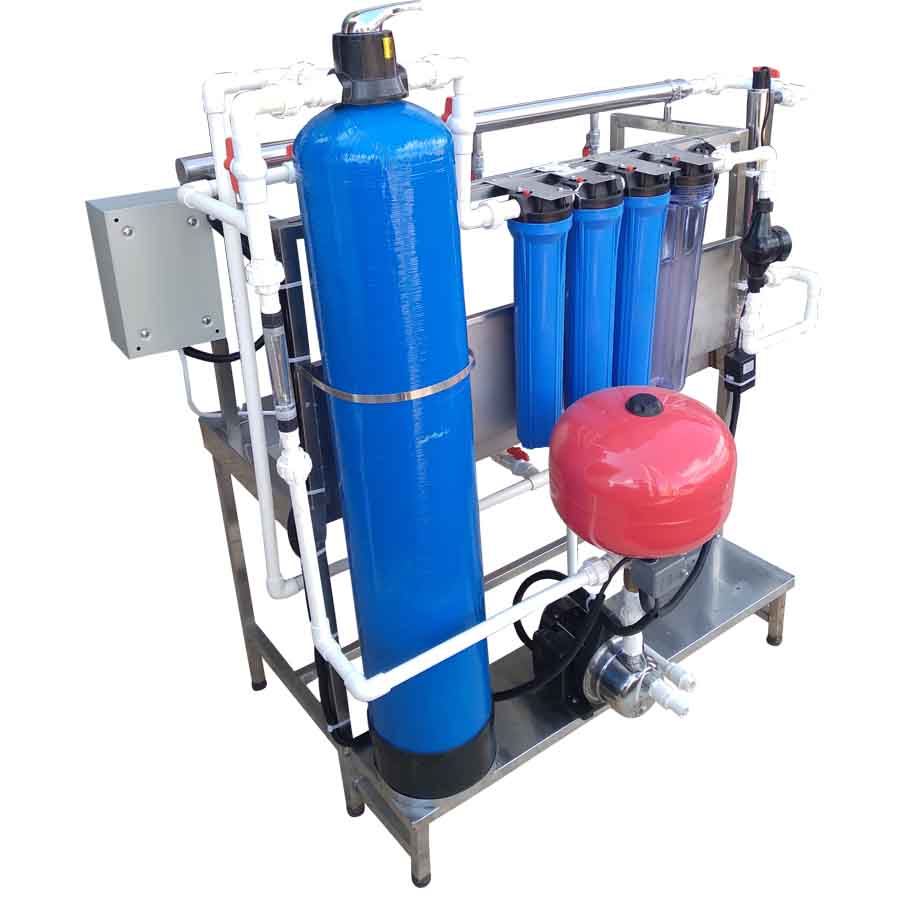
Municipal Water Purifier

What Is A Municipal Water Purifier Plant? This is a facility that removes solid particles trapped by the filter and not dissolved (total dissolved solids).It improves taste, oduor and kills bacteria in municipal water. This plant is recommended for pretreated water or natural surface water i.e. municipal water, rain water and river water. Purification Process Used In A Municipal Water Treatment Plant Stage 1: Chlorination It is the addition of a controlled amount of chlorine to kill microorganisms such as bacteria from water. Raw water is dosed with chlorine before it enters into the sand media vessel. Stage 2: Sand Media Filtration It involves the passage of water through a fine-grained sand which acts as a filter medium. The sand particles trap all the impurities such as silt, sand and organic matter as water flows through the sand bed. Through a process known as backwash, the suspended solids are flushed out Stage 3: Activated Carbon Filtration In this stage, carbon removes excess chlorine, pesticides and oduor in water. It is highly effective for removing wide range of contaminants. Stage 4: Sediment Filters The filters traps visible and invisible solid particles like sand, rust and other debris as water flows. There are 3 different sizes of filters; (A) 10 micron                                                                  (B) 5 micron                                                                  (C) 1 micron Stage 5: Uv Disinfection This is the final process of purification where the ultra violet light rays (UV) are used to eliminate all the bacteria present in water. Stage 6: Storage After the disinfection process, water is stored in a covered storage tank i.e. elevated storage tank, underground etc. and later distributed through network of pipes and pumps ready for human consumption. The Benefits Of Using This Plant Ensures safe drinking water Through the removal of harmful substances such as bacteria and viruses making the water safe for human consumption. Improves public health It reduces the risks of waterborne diseases such as Cholera by eliminating the pathogens. Supports economic development Clean and reliable water supply is essential for Agriculture, industries etc. it ensures there is access of water. Improves water quality This is in terms of the taste, oduor and the appearance of water since the PH level is adjusted, iron and manganese which cause the unpleasant smell or discoloration are out. Applications Of Municipal Water Purifier Supplying safe drinking water. Water purification for commercial use- water bottling and refilling business. Pre-treatment for industrial use Support for commercial establishments like restaurants, laundries, car washes etc.

What Is A Municipal Water Purifier Plant?

This is a facility that removes solid particles trapped by the filter and not dissolved (total dissolved solids).It improves taste, oduor and kills bacteria in municipal water.

This plant is recommended for pretreated water or natural surface water i.e. municipal water, rain water and river water.

Purification Process Used In A Municipal Water Treatment Plant

Stage 1: Chlorination

It is the addition of a controlled amount of chlorine to kill microorganisms such as bacteria from water.

Raw water is dosed with chlorine before it enters into the sand media vessel.

Stage 2: Sand Media Filtration

It involves the passage of water through a fine-grained sand which acts as a filter medium.

The sand particles trap all the impurities such as silt, sand and organic matter as water flows through the sand bed.

Through a process known as backwash, the suspended solids are flushed out

Stage 3: Activated Carbon Filtration

In this stage, carbon removes excess chlorine, pesticides and oduor in water. It is highly effective for removing wide range of contaminants.

Stage 4: Sediment Filters

The filters traps visible and invisible solid particles like sand, rust and other debris as water flows.

There are 3 different sizes of filters; (A) 10 micron

(B) 5 micron

(C) 1 micron

Stage 5: Uv Disinfection

This is the final process of purification where the ultra violet light rays (UV) are used to eliminate all the bacteria present in water.

Stage 6: Storage

After the disinfection process, water is stored in a covered storage tank i.e. elevated storage tank, underground etc. and later distributed through network of pipes and pumps ready for human consumption.

The Benefits Of Using This Plant

  1. Ensures safe drinking water

Through the removal of harmful substances such as bacteria and viruses making the water safe for human consumption.

  1. Improves public health

It reduces the risks of waterborne diseases such as Cholera by eliminating the pathogens.

  1. Supports economic development

Clean and reliable water supply is essential for Agriculture, industries etc. it ensures there is access of water.

  1. Improves water quality

This is in terms of the taste, oduor and the appearance of water since the PH level is adjusted, iron and manganese which cause the unpleasant smell or discoloration are out.

Applications Of Municipal Water Purifier

  1. Supplying safe drinking water.
  2. Water purification for commercial use- water bottling and refilling business.
  3. Pre-treatment for industrial use
  4. Support for commercial establishments like restaurants, laundries, car washes etc.

Leave a Reply

Your email address will not be published. Required fields are marked *