

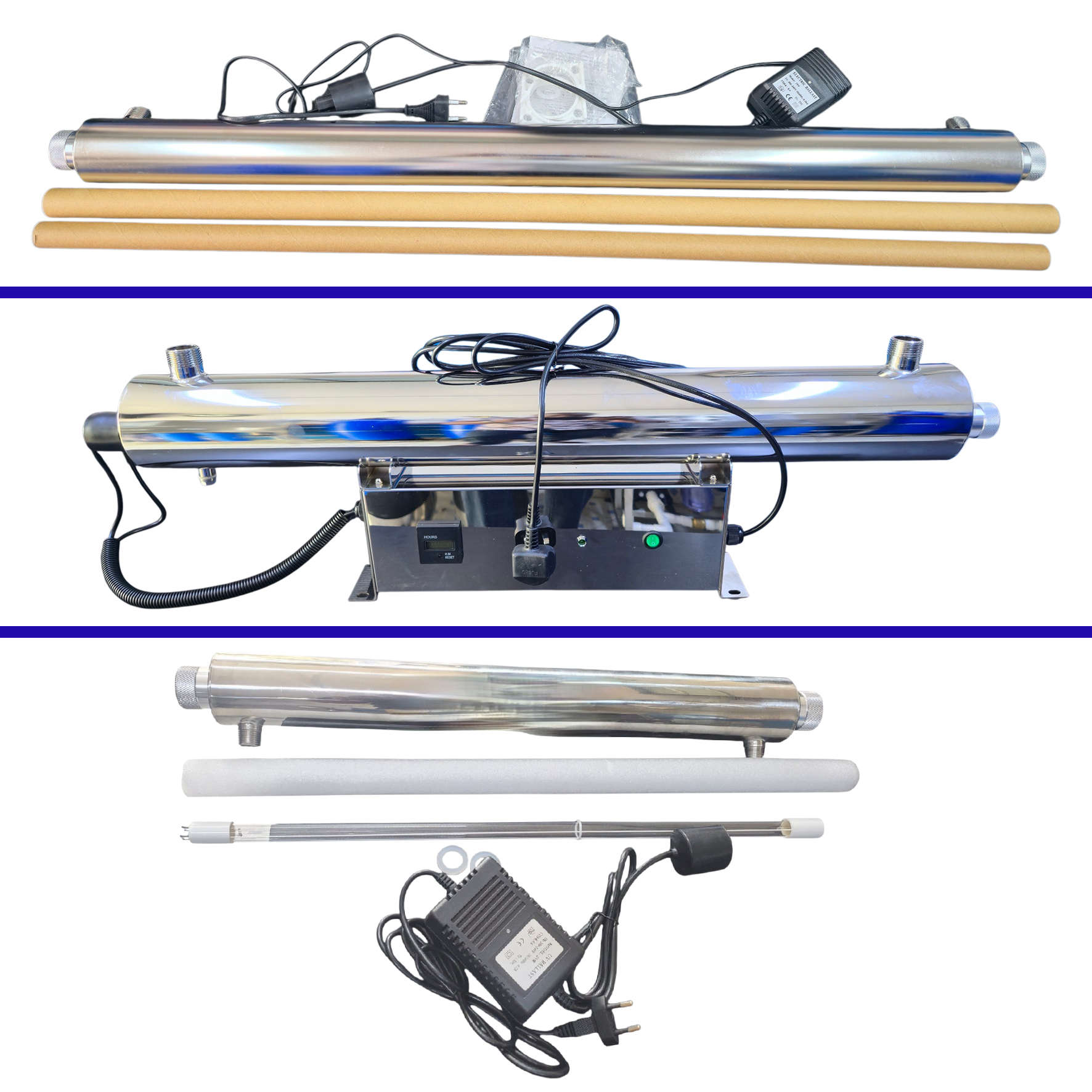
Kenya is facing a significant challenge when it comes to ensuring access to clean drinking water, which remains a critical public health issue in the country. Whether in the bustling city apartments of Nairobi or the rural homes relying on boreholes, the presence of contaminated water continues to contribute to the spread of waterborne illnesses like cholera, typhoid, dysentery, and E. coli infections. Data from the health sector indicates that diarrheal diseases remain a primary cause of mortality among children under the age of five, often linked to the use of unsafe water sources.
While traditional methods such as boiling water and using chemical chlorination have been common responses to water contamination, a more advanced and chemical-free solution is now available: UV water sterilization. By utilizing UV-C sterilization technology, a UV water sterilizer can quickly deactivate harmful microorganisms without affecting the water’s taste, smell, or pH levels. For households, commercial establishments, hospitals, schools, and industrial sites in Kenya, investing in a UV water treatment system is a highly effective measure for safeguarding long-term health and ensuring water cleanliness.
This detailed guide delves into the essential aspects of UV water purifiers in Kenya, covering their operational principles, suitable applications, recommended installation procedures, maintenance requirements, pricing considerations, and the reasons why Bonafine Trading Limited stands out as the preferred supplier of residential UV water purifiers, commercial UV sterilizers, and industrial UV sterilizers nationwide.
What is a UV Water Sterilizer?
A UV water sterilizer, also known as a UV water purifier or ultraviolet water sterilizer, functions as a water disinfection mechanism utilizing intense ultraviolet light at a specific wavelength to obliterate the DNA of various microorganisms like bacteria, viruses, and protozoa. This process hinders their reproductive capabilities, thereby safeguarding the water against microbiological threats.
In contrast to traditional water filtration devices that physically capture particles, a UV filtration system is primarily a disinfecting technology. It does not eliminate sediment, rust, or dissolved substances but focuses solely on eradicating biological contaminants, making it an ideal final step in a multi-layered water purification setup.
Bonafine Trading Limited offers stainless steel UV sterilizers crafted from Food Grade Stainless Steel 304, guaranteeing longevity, resistance to corrosion, and adherence to global safety regulations for water sterilization in drinking water contexts.
How UV Sterilization Works
UV-C sterilization operates through a sophisticated and efficient process:
- The initial step involves the introduction of untreated water into a UV sterilizer chamber made of stainless steel.
- Within this chamber, a UV-C lamp is encased in a quartz glass sleeve and emits light at a wavelength of 254 nm, which is ideal for eradicating germs.
- Subsequently, as water circulates around the lamp, UV-C photons penetrate the cell membranes of microorganisms, leading to the disruption of their nucleic acids (DNA/RNA) in a process known as thymine dimerization.
- This disruption results in the immediate deactivation of the microorganisms, rendering them incapable of reproduction or causing harm to humans.
- The purified water exits the chamber devoid of contaminants and is deemed safe for consumption or other uses.
Remarkably, this entire purification cycle is swift, lasting only a few seconds, and does not involve the usage of any chemicals or generate any unwanted substances.
Furthermore, the UV water purification system functions continuously, ensuring round-the-clock safeguarding as long as water flows through the apparatus and the lamp remains operational.
Advantages of UV Water Sterilizers
Opting for a UV water purification system instead of chemical treatment or boiling presents a variety of advantages:
– Free of chemicals: Your water remains chemical-free without the introduction of chlorine, ozone, or similar additives, ensuring safety for individuals of all ages and health conditions.
– Unaltered taste and smell: UV disinfection leaves water’s taste, smell, and appearance unaffected.
– Highly efficient: It eradicates up to 99.99% of bacteria, viruses, and protozoa like E. coli, Salmonella, and Giardia.
– Cost-effective operation: The UV lamp only requires electricity, eliminating the need for ongoing chemical purchases.
– Swift disinfection: Water is disinfected in real-time as it flows through the system, negating the necessity for storage or contact time.
– Environmentally conscious: There is no discharge of chemical residues or harmful substances into the environment.
– Simple maintenance: Routine annual lamp replacements and occasional cleaning of the quartz sleeve are all that’s required.
– Compact structure: Its small size is perfect for households, apartments, and commercial kitchens.
– Food-safe: Constructed from food-grade stainless steel, it complies with hygiene standards.
– Continuous safeguarding: It operates round the clock, ensuring ongoing disinfection without manual input.
For consumers in Kenya in search of reliable and convenient water purification solutions, a UV sterilizer in Kenya provides unparalleled ease and dependability.
Contaminants Eliminated by UV Sterilization
A UV water purifier that is appropriately sized and well-maintained can effectively deactivate a wide range of waterborne microorganisms, including various bacteria like E. coli, Salmonella, Campylobacter, Shigella, Vibrio cholerae, Legionella, as well as viruses such as Hepatitis A, Rotavirus, Norovirus, Adenovirus, and Enteroviruses. Additionally, it can target protozoa and cysts like Giardia lamblia, Cryptosporidium parvum, and Entamoeba histolytica. These harmful microorganisms are commonly present in borehole water, well water, untreated municipal water, and surface water sources throughout Kenya. In regions like rural and peri-urban areas where borehole water treatment is crucial to prevent disease outbreaks, a UV-C technology-based borehole water purifier plays a vital role.
Contaminants That UV Cannot Remove (and Why Pre-Filtration May Be Required)
UV water sterilizers are highly effective in eradicating biological impurities. However, they are not designed to eliminate specific types of contaminants. Prior treatment methods are necessary for various types of pollutants in water:
1. Sediment & Particulates: These include sand, silt, rust, and mud. To address them, a sediment filter with a pore size between 5 to 20 microns is required.
2. Dissolved Chemicals: Contaminants like pesticides, herbicides, and nitrates fall into this category. Activated carbon filtration or an RO system is recommended for their removal.
3. Heavy Metals: Substances such as lead, arsenic, mercury, and fluoride are classified as heavy metals. To eliminate them, a reverse osmosis system or specialized filtration media is essential.
4. Hardness Minerals: Minerals like calcium and magnesium contribute to water hardness. A water softener is needed to address this issue.
5. Turbidity: Cloudiness in water caused by suspended particles requires multi-media filtration for effective removal.
6. Organic Matter: Compounds like humic acids and decaying plant material can be treated using carbon filtration methods.
Why Pre-Filtration Matters
Particles in suspension have the ability to provide protection for microorganisms against UV radiation, a concept referred to as “shadowing.” In cases where water appears cloudy or has sediment present, harmful microorganisms shielded by these particles can potentially remain unaffected by UV treatment.
Moreover, minerals and organic substances have the potential to contaminate the quartz glass sleeve, leading to a decrease in UV light penetration. To address these issues, it is advised to consistently incorporate a sediment filter (and optionally an activated carbon filter) prior to the UV water purification system.
This measure serves to safeguard the UV chamber, optimize disinfection efficacy, and prolong the operational lifespan of the water treatment apparatus.
Applications in Kenya
Bonafine Trading Limited offers UV water sterilization solutions that cater to various sectors in Kenya:
- Residential Homes: Safeguard your family against waterborne illnesses by utilizing a household UV water purifier. It is suitable for kitchen faucets, entire home systems, and residences relying on borehole or well water sources.
- Boreholes: Complete the treatment of borehole water by incorporating UV disinfection. Despite appearing clean, borehole water often contains harmful microorganisms underground. A specialized borehole water sterilizer guarantees the safety of every water drop.
- Apartments: Multi-unit residential complexes in major cities like Nairobi, Mombasa, Kisumu, and Nakuru benefit from centralized UV water treatment systems that serve numerous households efficiently.
- Educational Institutions: Schools and universities must ensure the provision of safe drinking water to a large student population. Commercial UV sterilizers help prevent disease outbreaks and ensure adherence to health standards.
- Healthcare Facilities: Maintaining the highest standards of water purity is crucial for healthcare settings. UV sterilization plays a vital role in safeguarding patients, sterilizing equipment feed water, and supporting laboratory procedures that demand utmost microbial control.
- Hospitality Sector: Prioritizing guest well-being is essential for hotels and restaurants. UV water purification systems, when installed in various areas like kitchens, bars, and guest room amenities, ensure the availability of safe drinking water, thereby upholding the establishment’s reputation.
- Dairy Processing: Dairy plants necessitate water that meets stringent microbiological safety criteria for cleaning, processing, and product development purposes. UV systems crafted from food-grade stainless steel offer a hygienic solution.
- Food & Beverage Industry: Industries ranging from bakeries to juice manufacturers rely on industrial UV sterilizers to maintain product quality by ensuring that process water remains free from pathogens that could compromise product integrity or consumer safety.
- Water Bottling Plants: UV-C sterilization serves as a crucial defense mechanism for bottled water producers against microbial contamination before packaging.
- Recreational Facilities: UV systems play a key role in swimming pool maintenance by reducing the demand for chlorine and eliminating chlorine-resistant organisms such as Cryptosporidium, enhancing the safety and comfort of pool water.
- Aquaculture: UV water sterilizers are essential for fish ponds and aquaculture operations to prevent disease outbreaks among fish populations by controlling waterborne pathogens in recirculating systems.
- Industrial Facilities: Various industrial sectors, including factories, cooling towers, pharmaceutical plants, and textile industries, rely on industrial-grade UV sterilizers for water disinfection, cooling water treatment, and wastewater management.
Why Stainless Steel Grade 304 Housing is Important
Bonafine Trading Limited provides UV water sterilizers crafted from Food Grade Stainless Steel 304 (SS304). The utilization of SS304 is essential for the following reasons:
– Resistance to Corrosion: SS304 effectively combats rust and oxidation, even in damp climates and areas with high mineral content.
– Safety for Food Applications: Approved for use with drinking water and food items, ensuring no harmful substances are released.
– Longevity: Offers prolonged durability with minimal deterioration, even during continuous use.
– Hygienic Design: The non-porous, sleek surface prevents bacterial accumulation and facilitates easy cleaning.
– Thermal Resilience: Capable of withstanding temperature fluctuations without distorting or fracturing.
– Aesthetically Pleasing: Boasts a professional and polished appearance suitable for public display in kitchens and showrooms.
Contrary to substandard materials like plastic or inferior metals that may deteriorate when exposed to UV light, Stainless Steel Grade 304 guarantees a lasting investment for your water sterilization needs in Kenya.
Power Requirements (Single Phase)
The UV water sterilization systems offered by Bonafine Trading Limited are designed to function using standard single-phase power (220–240V AC, 50Hz), which is commonly found in households and small businesses throughout Kenya.
Here is a breakdown of the different models available, along with their respective wattages and typical uses:
– 10W model: Suitable for small residences, individual water taps, and point-of-use applications.
– 16W model: Ideal for small homes, apartments, and office settings.
– 25W model: Recommended for medium-sized homes and small eateries.
– 40W model: Designed for larger residences, small hotels, and clinics.
– 55W model: Suited for commercial establishments, schools, and dairy facilities.
– 110W model: Intended for industrial settings and bottling plants.
In terms of energy efficiency, it is important to note that UV lamps are energy-efficient devices. For instance, a 25W unit operating continuously for 24 hours consumes only 0.6 kWh per day, which is lower than the energy consumption of most light bulbs. To ensure continuous operation in areas with unreliable power supply, a small uninterruptible power supply (UPS) or backup generator can be used to support the UV water treatment system during power outages.
Installation Guidelines
To ensure that your UV filtration system functions optimally and lasts long, it is crucial to follow a meticulous installation process. Here’s a detailed guide on how to install your UV filtration system effectively:
1. Begin by installing the pre-filtration components. Place a sediment filter (5–20 microns) before the UV unit. Consider adding an activated carbon filter for chemical reduction as an optional step.
2. Select a suitable location for the UV sterilizer, either indoors or in a sheltered area. Ensure convenient access for lamp replacement and maintenance. Provide adequate ventilation by allowing a clearance of 5–10 cm around all sides of the unit.
3. Mount the stainless steel chamber horizontally, positioning the lamp connections facing upwards or sideways for easy accessibility. Securely attach the unit using the provided mounting brackets.
4. Connect the inlet and outlet piping with food-grade materials such as PVC, PPR, or stainless steel. Install isolation valves before and after the unit to facilitate maintenance and ensure that all connections are free from leaks.
5. Establish the electrical connection by plugging into a dedicated 220–240V AC power outlet and utilizing the provided power adapter or ballast. Guarantee safety by ensuring proper grounding.
6. Before using the system for the first time, flush water through it for 5–10 minutes to clear any debris from the installation.
7. Power on the UV lamp, ensuring that the indicator light is functioning. Verify the water flow, check for leaks, and, if feasible, assess the water quality.
Remember: Never stare directly at a lit UV lamp as the UV-C light emitted can be harmful to the eyes and skin. Always switch off the system before conducting any maintenance tasks.
Maintenance Requirements
UV water sterilization systems necessitate periodic maintenance to ensure optimal functionality. Here are the recommended maintenance tasks and their frequencies:
– Conduct a visual inspection on a monthly basis. This involves checking indicator lights, examining for leaks, and verifying the lamp status.
– Replace or clean the sediment filter every 3 to 6 months to safeguard the UV chamber.
– Clean the quartz sleeve every 6 to 12 months using citric acid or a gentle detergent.
– Replace the UV lamp every 9,000 to 12,000 hours, approximately every 12 months, with authentic Bonafine lamps.
– Perform a system flush annually by flushing the chamber with clean water.
How Often to Replace UV Lamps
Ultraviolet lamps experience degradation as they are used, even if they continue to produce visible light. The germicidal effectiveness at a wavelength of 254 nm decreases with prolonged usage.
Typical lifespan ranges from 9,000 to 12,000 hours (equivalent to approximately one year of continuous operation).
You can monitor the lamp’s usage through timers or LED indicators present in most units. In case these features are absent, it is advisable to mark your calendar to keep track.
Using an old lamp might give the impression of functionality, but it may not provide sufficient UV dosage, allowing harmful pathogens to remain active.
A practical tip is to have an extra UV lamp available. Bonafine Trading Limited offers a variety of replacement 4-pin, single-side UV lamps that are readily accessible for purchase.
Quartz Glass Sleeve Maintenance
The UV lamp is enclosed by a quartz glass casing to shield it from water while enabling the UV-C light to penetrate. With time, the sleeve can accumulate mineral deposits, iron residues, and organic substances, impeding the transmission of UV light. Here is the procedure for cleaning:
1. Power down the system and shut the isolation valves.
2. Empty the UV chamber of any liquid.
3. Gently detach the lamp and sleeve unit.
4. Wipe the quartz sleeve with a gentle cloth and a solution of citric acid (or white vinegar).
5. Thoroughly rinse the sleeve with fresh water.
6. Reassemble the components and reinstate power.
Caution: Handle quartz sleeves delicately. Avoid abrasive substances or strong chemicals. Promptly replace sleeves that are cracked or heavily stained.
Common Problems and Troubleshooting
Frequently Encountered Issues and Steps to Address Them
Issue: UV lamp fails to illuminate
Possible Cause: Malfunctioning ballast/adapter, blown fuse, or lamp failure
Resolution: Verify power source. Substitute ballast or lamp as needed.
Issue: Inadequate water flow
Possible Cause: Blockage in pre-filter or accumulation of sediment
Resolution: Clean or substitute pre-filters. Conduct system flushing.
Issue: Unpleasant taste of water
Reason: Ineffectiveness of UV against chemicals or flavors
Solution: Integrate activated carbon filter prior to UV system.
Issue: Presence of visible particles in water
Reason: Inadequate pre-filtration
Solution: Enhance sediment filter or incorporate multi-media filter.
Issue: UV alarm notification activated
Cause: Lamp malfunction, reduced intensity, or sleeve contamination
Solution: Inspect lamp, cleanse sleeve, or replace parts accordingly.
Issue: Leakage in chamber
Cause: Loose connections or damaged O-rings
Solution: Secure fittings. Replace O-rings if necessary.
Issue: Decreased disinfection efficacy
Cause: Aging lamp or soiled sleeve
Solution: Promptly replace lamp and cleanse sleeve.
Frequently Asked Questions (FAQs)
Common Questions and Answers
Q1: What is the function of a UV water sterilizer?
A UV water sterilizer is a tool that harnesses ultraviolet light at a specific wavelength to eliminate bacteria, viruses, and other tiny organisms in water sans the use of chemicals.
Q2: Can a UV sterilizer eliminate chlorine?
No, a UV disinfection process does not eliminate chlorine, chemicals, or dissolved substances. To remove chemicals, utilize an activated carbon filter before employing the UV mechanism.
Q3: Is UV water purification considered safe?
Indeed, UV water purification stands as a physical disinfection method endorsed by esteemed entities like the WHO, EPA, and NSF. It does not introduce any substances into the water and generates no detrimental byproducts.
Q4: What amount of electricity does a UV sterilizer consume?
The electricity consumption is minimal. Even our smallest 10W unit operates with just 10 watts, similar to an energy-efficient light bulb. The industrial 110W model also demonstrates high efficiency relative to its productivity.
Q5: Is self-installation of a UV sterilizer feasible?
Certainly, basic plumbing skills suffice for household models. Yet, for commercial and industrial setups, we advocate engaging Bonafine technicians for professional installation.
Q6: Is a pre-filter necessary with a UV sterilizer?
Absolutely. A sediment pre-filter (ranging from 5 to 20 microns) plays a crucial role in eliminating particles that could shield microorganisms or soil the quartz covering.
Q7: What is the typical lifespan of a UV lamp?
Typically, a UV lamp lasts around 9,000 to 12,000 hours (equivalent to roughly 12 months of continuous utilization). For sustained effectiveness, it is advisable to replace it annually.
Q8: In case of a power outage, what transpires?
Water will continue to flow but will not undergo disinfection. For critical settings, consider installing a UPS or backup power mechanism.
Q9: Can UV treatment be applied to borehole water?
Indeed, UV treatment can be applied to borehole water. However, it is vital to incorporate sediment filtration ahead of UV disinfection due to common contaminants like sand, iron, and dissolved minerals in borehole water.
Q10: Is stainless steel a superior choice compared to plastic for UV housings?
Without a doubt. Stainless steel Grade 304 surpasses plastic housings in terms of durability, resistance to corrosion, hygiene, and longevity.
Q11: Does UV effectively combat E. coli?
Yes, UV-C light proves highly effective against E. coli and other coliform bacteria, swiftly neutralizing them.
Q12: Can UV systems be utilized for swimming pools?
Yes, UV water sterilizers contribute to reducing chlorine demand and eliminating chlorine-resistant pathogens such as Cryptosporidium in pool water.
Q13: How do domestic and commercial UV sterilizers differ?
Domestic units (ranging from 10W to 25W) cater to individual residences or small offices, while commercial units (ranging from 40W to 110W) manage higher flow rates suitable for hotels, schools, hospitals, and factories.
Q14: How can I determine the appropriate UV model for my needs?
Select a model based on your water flow rate in liters per minute. For tailored guidance, reach out to Bonafine Trading Limited for a complimentary sizing consultation.
Q15: Where can UV sterilizers be purchased in Kenya?
Bonafine Trading Limited offers an extensive selection of UV sterilizers in Kenya, along with replacement lamps, quartz sleeves, and power adapters, with nationwide delivery available.
Q16: Does UV treatment impact the pH of water?
UV water treatment is a physical process that does not impact pH, hardness, or mineral composition of water.
Q17: Can UV technology eradicate viruses?
Certainly, UV-C sterilization has demonstrated effectiveness against various viruses, including Hepatitis A, Rotavirus, and Norovirus.
Q18: What does UV transmittance (UVT) signify?
VT gauges the amount of UV light that penetrates through water. Clear water typically boasts high UVT (>90%), while turbid water necessitates pre-filtration due to lower UVT levels.
Q19: How should the quartz sleeve be cleaned?
Dismantle it cautiously, soak it in a solution of citric acid or vinegar, wipe it down with a gentle cloth, rinse it, and reinstall it securely.
Q20: Why might a UV lamp emit a blue glow without providing disinfection?
The visible blue glow does not indicate germicidal efficacy. UV-C light at 254 nm remains invisible. Only a calibrated UV sensor can confirm adequate disinfection levels. It is advisable to replace lamps as scheduled, irrespective of visible light output.
Why Choose Bonafine Trading Limited
When considering water purification systems for your residence, company, or manufacturing site, it is crucial to partner with a provider who offers a blend of technical proficiency, top-notch products, and dependable post-purchase assistance. There are numerous reasons why a large number of individuals in Kenya opt for the services of Bonafine Trading Limited:
– Utilization of Authentic Food-Grade Stainless Steel 304 UV Sterilizers: These are resistant to corrosion, maintain high levels of hygiene, and are constructed for longevity.
– Diverse Array of Models: Ranging from 10W units for households to 110W systems for industrial settings.
– Operation on Single Phase Power: Designed to be compatible with the regular electrical supply in Kenya.
– Comprehensive Availability of Replacement Parts: Essential components like UV lamps, quartz sleeves, and power adapters are consistently stocked.
– Professional Installation & Maintenance: Our skilled technicians guarantee accurate setup and peak performance.
– Competitive and Transparent Pricing: No concealed fees, just straightforward and equitable pricing.
– Nationwide Coverage: Extending services to various regions including Nairobi, Mombasa, Kisumu, Nakuru, Eldoret, and more.
– Technical Assistance: Accessible support via phone, WhatsApp, and email to address all your inquiries.
Complete UV Water Sterilizer Prices
Here is the pricing table for UV water sterilizers:
– UV water sterilizer with a 10W capacity: Flow rate approximately 0.5–1 GPM / 2–4 L/min, priced at KSh 5,000.
– UV water sterilizer with a 16W capacity: Flow rate approximately 1–2 GPM / 4–8 L/min, priced at KSh 7,000.
– UV water sterilizer with a 25W capacity: Flow rate approximately 2–3 GPM / 8–12 L/min, priced at KSh 9,000.
– UV water sterilizer with a 40W capacity: Flow rate approximately 3–5 GPM / 12–20 L/min, priced at KSh 15,000.
– UV water sterilizer with a 55W capacity: Flow rate approximately 5–8 GPM / 20–30 L/min, priced at KSh 25,000.
– UV water sterilizer with a 110W capacity: Flow rate approximately 8–15 GPM / 30–60 L/min, priced at KSh 45,000.
Please note that prices may vary. Feel free to get in touch with us for the most up-to-date information on stock availability and potential discounts for bulk orders.
Replacement UV Lamp Prices (4-Pin, One Side)
UV lamp prices for lamps with a 4-pin configuration on one side are as follows:
– For a lamp with a wattage of 10W, the price is KSh 500.
– For a lamp with a wattage of 16W, the price is KSh 1,000.
– For a lamp with a wattage of 25W, the price is KSh 1,500.
– For a lamp with a wattage of 40W, the price is KSh 2,000.
– For a lamp with a wattage of 55W, the price is KSh 2,000.
– For a lamp with a wattage of 110W, the price is KSh 4,000.
Replacement Quartz Glass Sleeve Prices
Quartz glass sleeve pricing details:
– Sleeve Size 10W is priced at KSh 500.
– Sleeve Size 16W costs KSh 1,000.
– Sleeve Size 25W is also priced at KSh 1,000.
– Sleeve Size 40W is available for KSh 1,500.
– Sleeve Size 55W is priced at KSh 1,500.
– Sleeve Size 110W costs KSh 3,000.
Replacement Power Adapter
Alternative power supply suitable for UV sterilizers with power ratings of 10 watts, 16 watts, 25 watts, 40 watts, and 55 watts is available for purchase at a cost of KSh 1,500.
Protect Your Water, Protect Your Health
In a nation facing persistent challenges from waterborne illnesses affecting households, educational facilities, medical centers, and enterprises, an ultraviolet water purifier emerges as a vital necessity rather than a mere luxury. Whether your concern lies in ensuring the purity of well water for your family, maintaining a safe environment for guests at your lodging establishment, or adhering to stringent cleanliness protocols at your dairy production facility, UV-C sterilization presents a reliable, chemical-free solution. Bonafine Trading Limited offers a diverse range of water sanitation systems tailored to various needs, spanning from compact residential UV water filters to robust industrial UV sterilization units. Crafted from high-quality Food Grade Stainless Steel 304, our UV sterilizers operate efficiently on single-phase power and come with comprehensive installation, upkeep, and technical assistance.
Call-to-Action
Prioritize water safety. Reach out to Bonafine Trading Limited today!
Company: Bonafine Trading Limited
Contact:
– Phone / WhatsApp: 0794 966 527
– Website: https://bonafinetrading.co.ke
– Email: info@bonafinetrading.co.ke
Location:
– Along Thika Superhighway, Ruiru Toll Station Shopping Centre, Exit 13 from Nairobi and Thika, opposite Fahrenheit Building.
Services offered:
– UV water sterilizers (all variations)
– Replacement UV lamps
– Replacement quartz glass sleeves
– Replacement power adapters
– Comprehensive installation and technical assistance
Contact now at 0794 966 527 via call or WhatsApp to schedule a complimentary consultation and receive a quotation!