

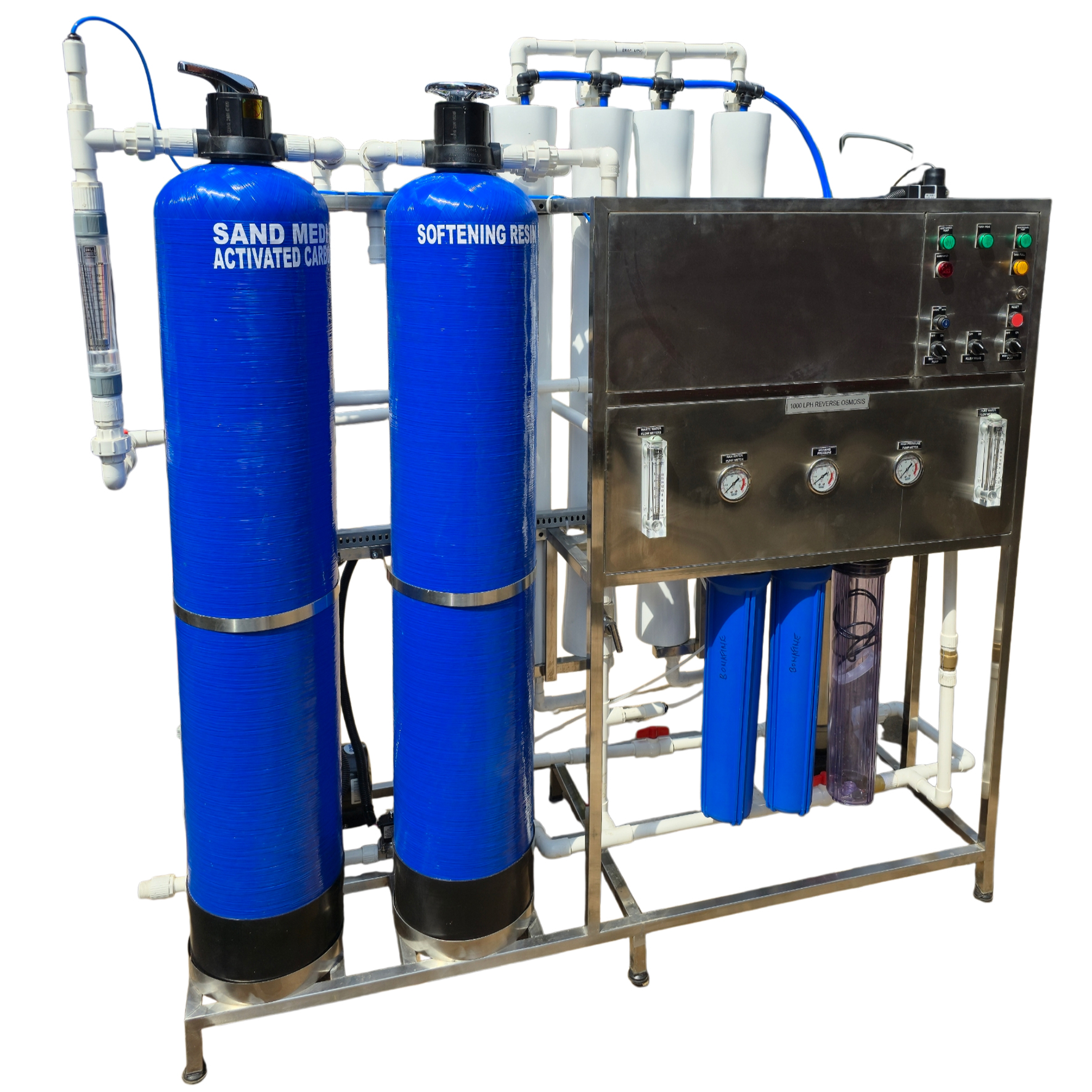
Bonafine Trading Limited provides borehole and well water purifier machines in Kenya. Across Kenya, thousands of homes, schools, hospitals, hotels, and factories rely on borehole or well water because municipal supply is unreliable, unavailable, or simply too expensive at scale. But raw borehole water is rarely safe to drink straight from the ground. It often carries high levels of dissolved salts, fluoride, iron, and other contaminants that affect health, taste, and even your plumbing.
This is where a reverse osmosis machine becomes essential. A properly designed reverse osmosis water purifier removes up to 99% of dissolved contaminants, giving you clean, safe, great-tasting water for drinking, cooking, and industrial use. In this guide, we explain how RO technology works, why borehole water purification matters in Kenya, and how to choose the right system for your home or business — with expert guidance from Bonafine Trading Limited.
What Is a Reverse Osmosis Machine?
A reverse osmosis machine is a water treatment system that forces water through a semi-permeable membrane under pressure. The membrane has microscopic pores, smaller than most contaminants, so water molecules pass through while dissolved salts, heavy metals, bacteria, and other impurities are left behind and flushed away.
How RO Filtration Works
In simple terms, reverse osmosis reverses the natural process of osmosis. Instead of water moving toward a higher concentration of salts, pressure pushes water away from contaminants, through the membrane, and into a clean storage tank. What’s left behind, the concentrated impurities is discharged as wastewater.
Benefits of RO Systems
A well-maintained reverse osmosis system delivers:
- Consistently clean, low-TDS drinking water
- Removal of fluoride, heavy metals, and dissolved salts
- Better-tasting, odour-free water
- Protection for pipes, boilers, and appliances
- Scalability from a single household tap to a full industrial plant
Why Borehole Water Should Be Purified
Is borehole water safe to drink? Not without treatment. Groundwater in many parts of Kenya picks up minerals and contaminants as it moves through rock and soil layers. Common issues found during borehole water testing include:
- High TDS (Total Dissolved Solids) — salty or metallic-tasting water
- Fluoride — common in Rift Valley boreholes, linked to dental and skeletal fluorosis at high levels
- Iron — causes staining, discolouration, and metallic taste
- Heavy metals — potential long-term health risks
- Hardness — scale build-up in pipes and appliances
- Colour and turbidity — cloudy or discoloured water
- Bad taste and odour — often from sulphur or organic matter
- Bacteria and viruses — microbiological contamination from surface seepage
- Sediments and organic contaminants — silt, clay, and decayed matter
A dedicated borehole water purifier addresses all of these in one system, rather than relying on boiling or basic filtration alone.
How an RO Water Purification System Works
A commercial-grade RO plant typically includes several treatment stages working together:
- Raw water tank — stores untreated borehole water before treatment
- Feed pump — moves water through the treatment train at consistent pressure
- Multimedia filter — removes sediment, sand, and suspended solids
- Activated carbon filter — removes chlorine, odours, and organic compounds
- Water softener (where needed) — reduces hardness-causing calcium and magnesium
- Micron cartridge filters — polish water before it reaches the membranes
- High-pressure pump — pushes water through the RO membranes at operating pressure
- Reverse osmosis membranes — the core filtration stage, removing dissolved salts and contaminants
- UV sterilization — neutralizes bacteria and viruses
- Ozone sterilization (optional) — additional disinfection for sensitive applications
- Mineralization (optional) — reintroduces beneficial minerals for taste and health
- Purified water storage tank — holds treated water ready for use
Each stage protects the next, extending the life of the RO membranes and ensuring consistent reverse osmosis filtration performance.
Applications of Reverse Osmosis Machines in Kenya
Because contamination levels and daily water demand vary widely, RO systems are used across many sectors:
- Homes and apartments — safe drinking water straight from the tap
- Hotels and hospitality — guest-ready water quality
- Schools and churches — safe water for large numbers of people
- Hospitals — water purification for homes, wards, and medical equipment
- Offices and commercial buildings — reliable staff drinking water
- Factories and industrial water purification — process water for manufacturing
- Dairy farms and food processing — hygienic water for production lines
- Pharmaceutical industries — high-purity water for sensitive processes
- Water bottling plants — consistent quality for commercial bottled water
- Agriculture — treated water for irrigation and livestock
Whether you need a small water filtration machine for a family home or an industrial reverse osmosis system for a factory, the right configuration depends on your specific water source and usage.
Benefits of Installing an RO Machine
Investing in a water purification machine pays off in several ways:
- Safe, contaminant-free drinking water for your household or business
- Noticeably improved taste and odour
- Removal of dissolved salts, fluoride, and heavy metals
- Elimination of bacteria and other microbiological risks
- Protection of plumbing, pipes, and appliances from scale and corrosion
- Reduced dependence on bottled water, cutting long-term costs
- A reliable, independent water supply — even during municipal shortages
Choosing the Right RO Machine
Selecting the correct water treatment machine isn’t a one-size-fits-all decision. Consider:
- Water analysis — what contaminants are actually in your borehole water?
- Daily water demand — how many litres does your household or facility need?
- Flow rate — can the system keep up with peak usage?
- Storage capacity — do you need a buffer tank for high-demand periods?
- Installation space — is the system sized appropriately for your site?
- Future expansion — will your water needs grow?
- Budget — balancing upfront cost against long-term reliability and savings
Bonafine Trading Limited supplies systems ranging from compact domestic units to full-scale commercial reverse osmosis machines and industrial plants, so you’re never paying for more, or less capacity than you actually need.
Why Choose Bonafine Trading Limited
As a trusted water treatment company in Kenya, Bonafine Trading Limited combines technical expertise with dependable service:
- Quality water treatment equipment sourced for Kenyan water conditions
- Professional installation by an experienced technical team
- Ongoing after-sales support and preventive maintenance
- Genuine spare parts and filter replacements
- Water quality consultation and borehole water testing
- Nationwide supply and support
- Custom-designed systems for homes, institutions, and industry
Frequently Asked Questions
Is borehole water safe to drink? Not usually without treatment. Most borehole water contains dissolved salts, minerals, or biological contaminants that require purification before drinking.
Can RO remove fluoride? Yes. Reverse osmosis is one of the most effective methods for fluoride removal, especially in areas with naturally high fluoride levels.
Does RO remove iron? RO membranes remove dissolved iron effectively, particularly when paired with a pre-filtration stage to prevent membrane fouling.
How often should filters be changed? Pre-filters typically need replacement every 2–3 months, while RO membranes generally last from 6 months to 2 years, depending on water quality and usage.
How much does an RO machine cost in Kenya? Cost depends on capacity, water quality, and application — from affordable domestic units to larger commercial and industrial investments. Contact Bonafine Trading Limited for a tailored quote.
What size RO machine do I need? This depends on your daily water demand and peak flow requirements. A water analysis and usage assessment will determine the right size.
Can RO treat salty or high-TDS water? Yes, RO is highly effective at reducing high TDS levels, making brackish or salty borehole water safe and pleasant to drink.
Can RO purify well water? Absolutely. Well water purification follows the same principles as borehole treatment, tailored to the specific contaminants found in your well.
Is RO suitable for apartments? Yes. Many apartment developers install centralized RO systems to supply clean water to all units efficiently.
How long do RO membranes last? With proper pre-treatment and maintenance, RO membranes typically last 1–2 years before requiring replacement.
Borehole and well water can be a reliable, cost-effective water source — but only when properly treated. A quality reverse osmosis machine removes the fluoride, iron, dissolved salts, and microbiological contaminants that make raw borehole water unsafe, giving you clean, great-tasting water you can trust every day. Whether you’re a homeowner, property developer, school administrator, or factory manager, investing in the right RO plant protects both health and infrastructure for years to come.
Get Started with Bonafine Trading Limited
Ready to secure safe, reliable water for your home or business? Bonafine Trading Limited offers expert consultation, borehole water testing, custom system design, professional installation, and dependable after-sales support across Kenya.
Contact us today:
📍 Location: Along Thika Superhighway, Ruiru Toll Station Shopping Centre, Exit 13 from Nairobi and Thika, opposite Fahrenheit Building
📞 Phone: 0794 966 527
✉️ Email: info@bonafinetrading.co.ke
🌐 Website: bonafinetrading.co.ke
🛒 View Water Purification Products: Shop Water Purifying Machines
Get in touch for water quality consultation and find the reverse osmosis solution built for your borehole.